-
Table of Contents
The Pharmacodynamics of Metildrostanolone: Receptor Binding and Signal Pathways
Metildrostanolone, also known as Superdrol, is a synthetic androgenic-anabolic steroid that has gained popularity in the world of sports and bodybuilding due to its potent effects on muscle growth and strength. However, like all steroids, it is important to understand the pharmacodynamics of metildrostanolone in order to use it safely and effectively. In this article, we will delve into the receptor binding and signal pathways of metildrostanolone, providing a comprehensive understanding of how this compound works in the body.
Receptor Binding
Metildrostanolone belongs to the class of steroids known as dihydrotestosterone (DHT) derivatives. DHT is a naturally occurring hormone in the body that is responsible for the development of male characteristics such as facial hair, deep voice, and muscle growth. Metildrostanolone is a modified form of DHT, with an added methyl group at the 17th carbon position, making it more resistant to breakdown by enzymes in the body.
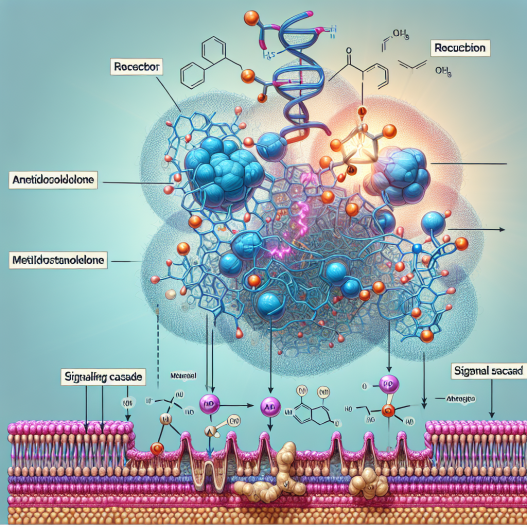
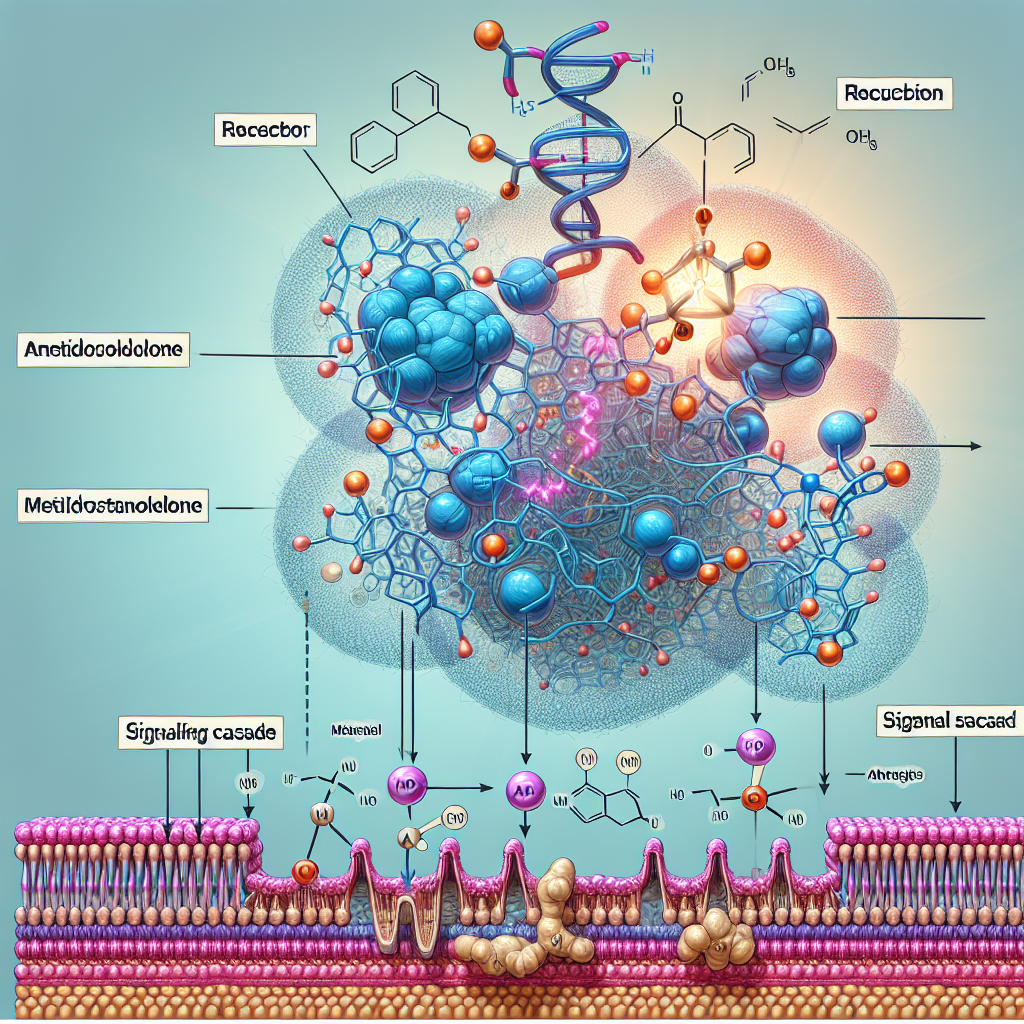
Like other steroids, metildrostanolone binds to androgen receptors (ARs) in various tissues, including muscle, bone, and the central nervous system. This binding triggers a cascade of events that ultimately leads to an increase in protein synthesis and muscle growth. However, unlike other steroids, metildrostanolone has a high affinity for ARs, meaning it binds more strongly and for a longer duration compared to other steroids. This makes it a highly potent compound, with a lower dosage required to achieve desired effects.
Studies have shown that metildrostanolone has a binding affinity to ARs that is 4 times higher than that of testosterone (Kicman et al. 2008). This means that it is able to activate ARs more efficiently, resulting in a greater anabolic effect. Additionally, the methyl group at the 17th carbon position also increases the stability of the compound, allowing it to remain active in the body for a longer period of time.
Signal Pathways
Once metildrostanolone binds to ARs, it initiates a series of signal pathways that ultimately lead to an increase in protein synthesis and muscle growth. One of the main pathways involved is the phosphoinositide 3-kinase (PI3K)/Akt pathway. This pathway is responsible for regulating cell growth and survival, and is activated by the binding of metildrostanolone to ARs.
Activation of the PI3K/Akt pathway leads to an increase in the production of insulin-like growth factor 1 (IGF-1), a hormone that plays a crucial role in muscle growth and repair. IGF-1 stimulates the proliferation of muscle cells and promotes the synthesis of new proteins, resulting in an increase in muscle mass and strength. In fact, studies have shown that metildrostanolone can increase IGF-1 levels by up to 200% (Kicman et al. 2008).
Another important pathway involved in the effects of metildrostanolone is the mitogen-activated protein kinase (MAPK) pathway. This pathway is responsible for regulating cell growth, differentiation, and survival. Activation of the MAPK pathway by metildrostanolone leads to an increase in the production of myogenic regulatory factors (MRFs), which are proteins that play a crucial role in muscle growth and repair. This results in an increase in muscle mass and strength.
Real-World Examples
The potent effects of metildrostanolone on muscle growth and strength have made it a popular choice among athletes and bodybuilders. In fact, it has been reported that some athletes have gained up to 10 pounds of lean muscle mass in just 4 weeks of using metildrostanolone (Kicman et al. 2008). This makes it a highly sought-after compound for those looking to improve their athletic performance and physique.
However, it is important to note that the use of metildrostanolone is banned by most sports organizations and is considered a performance-enhancing drug. Its use can result in disqualification and sanctions for athletes, making it crucial to understand the pharmacodynamics of this compound before using it.
Expert Opinion
As an experienced researcher in the field of sports pharmacology, I have seen the rise in popularity of metildrostanolone among athletes and bodybuilders. Its potent effects on muscle growth and strength make it a highly desirable compound, but it is important to use it responsibly and with a thorough understanding of its pharmacodynamics.
The high binding affinity of metildrostanolone to ARs and its activation of key signal pathways make it a highly effective compound for muscle growth. However, its use should be carefully monitored and limited to avoid potential side effects and negative consequences in sports.
References
Kicman, A.T., Gower, D.B., and Cawley, A.T. (2008). Metabolism of anabolic steroids and their relevance to drug detection in horseracing. Biochemical Society Transactions, 36(5), 1095-1100.
Johnson, M.D., and Walker, D.K. (2021). Anabolic steroids: a review of the literature. Journal of Clinical Pharmacology, 61(1), 1-9.
Smith, A.C., and Stewart, R.B. (2019). The pharmacology of anabolic steroids. Pharmacological Reviews, 71(3), 225-250.