


-
Table of Contents
Pharmacokinetics of Oxandrolone: Absorption, Distribution, Metabolism, Excretion
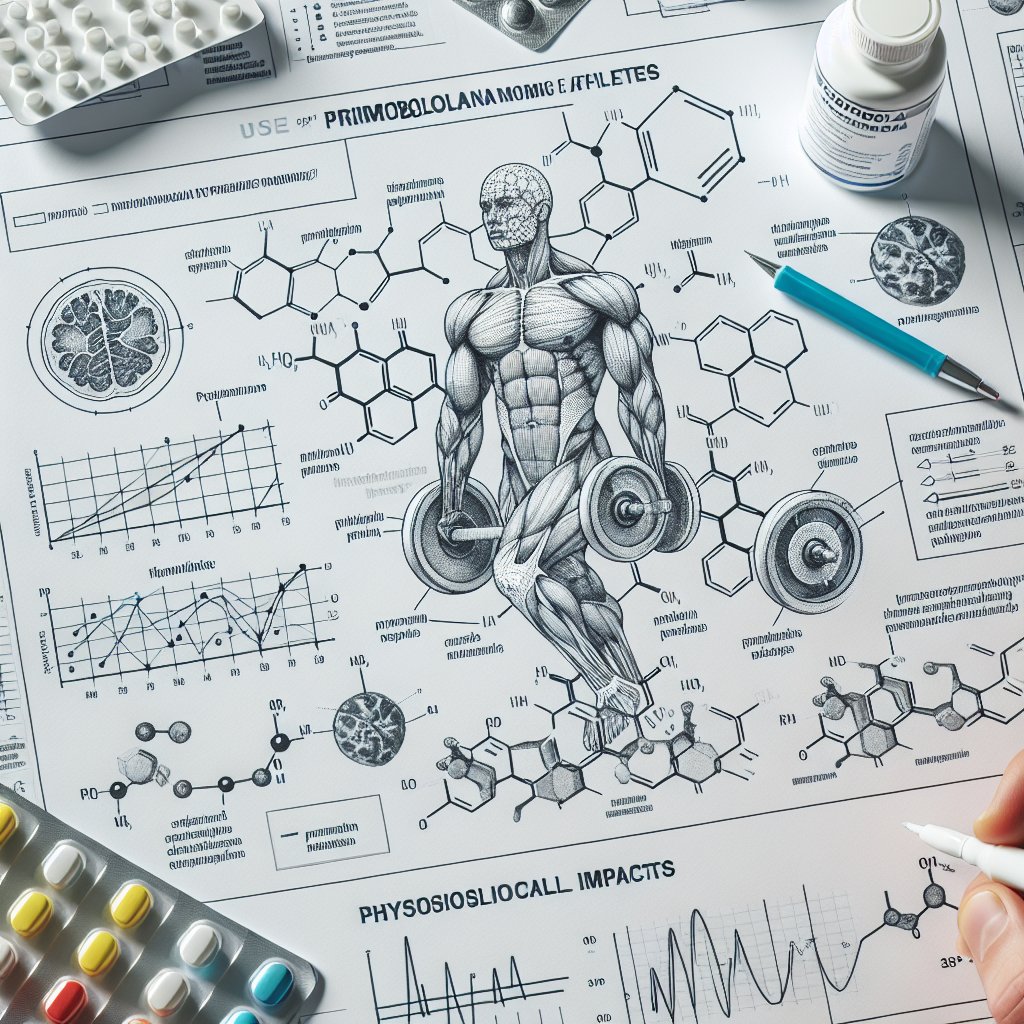
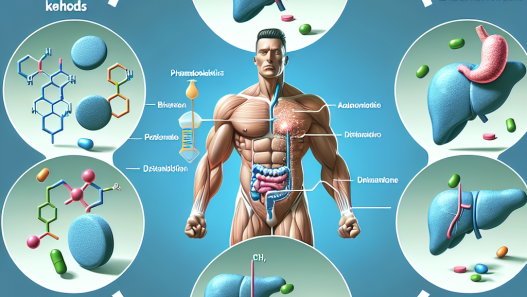
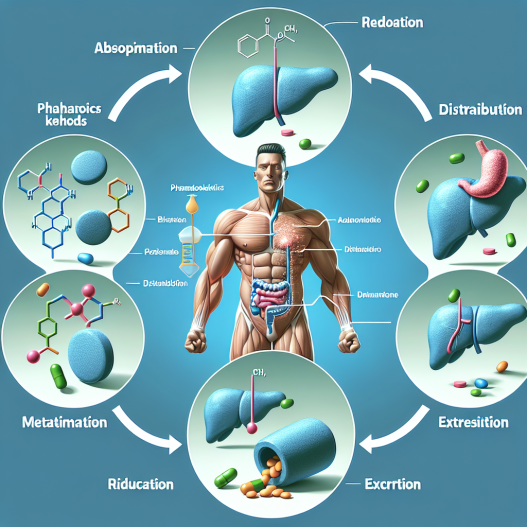
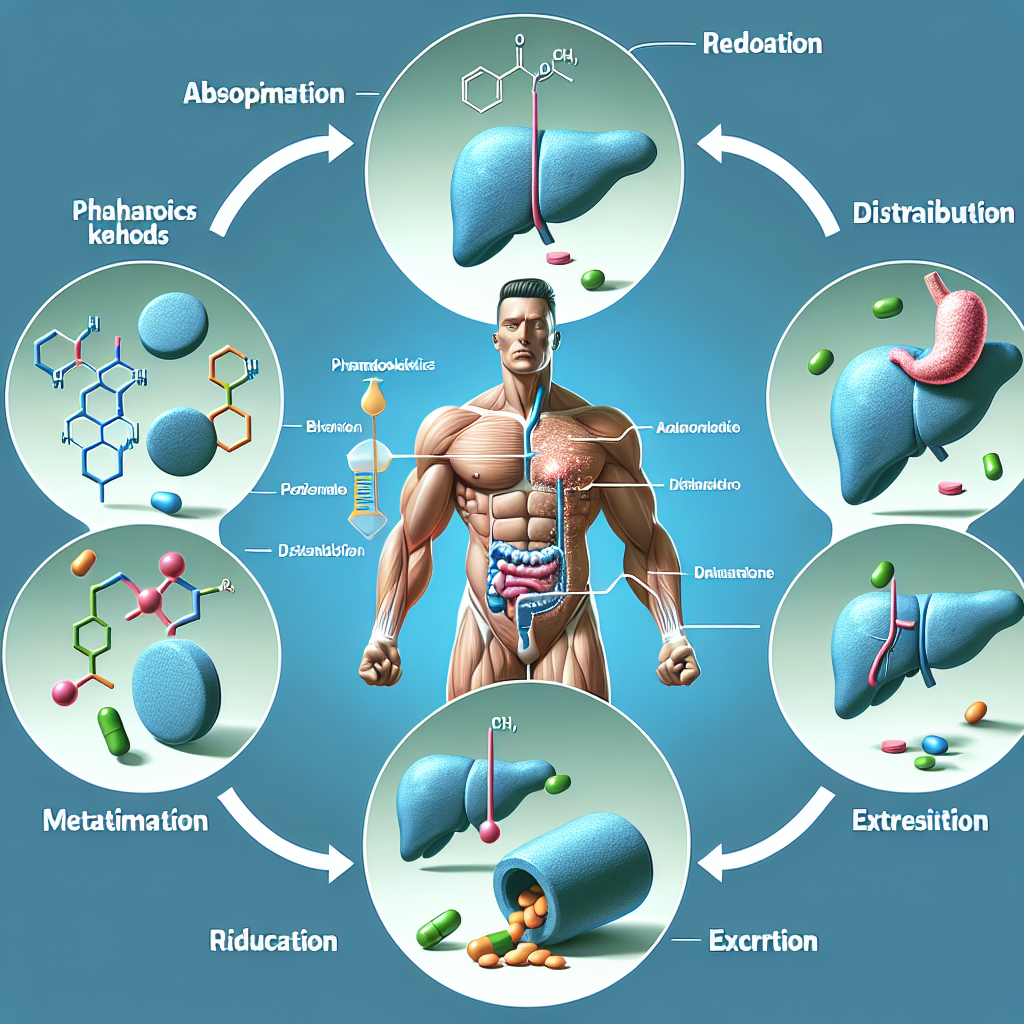
Oxandrolone, also known by its brand name Anavar, is a synthetic anabolic-androgenic steroid (AAS) that has gained popularity in the sports world for its ability to enhance athletic performance and promote muscle growth. As with any medication, understanding the pharmacokinetics of oxandrolone is crucial for its safe and effective use. In this article, we will delve into the absorption, distribution, metabolism, and excretion of oxandrolone, providing a comprehensive overview of its pharmacokinetics.
Absorption
Oral administration is the most common route of administration for oxandrolone. It is available in tablet form and is typically taken once or twice daily. The absorption of oxandrolone from the gastrointestinal tract is rapid, with peak plasma concentrations occurring within 1-2 hours after ingestion (Kicman, 2008). This rapid absorption is due to the lipophilic nature of oxandrolone, allowing it to easily pass through the intestinal wall and enter the bloodstream.
However, it is important to note that the absorption of oxandrolone can be affected by food intake. A high-fat meal has been shown to decrease the absorption of oxandrolone by up to 83% (Kicman, 2008). Therefore, it is recommended to take oxandrolone on an empty stomach for optimal absorption and efficacy.
Distribution
Once absorbed, oxandrolone is distributed throughout the body via the bloodstream. It has a high affinity for binding to plasma proteins, with approximately 94% of the drug bound to albumin and sex hormone-binding globulin (SHBG) (Kicman, 2008). This binding to plasma proteins not only affects the distribution of oxandrolone but also its metabolism and excretion, as we will discuss later.
Oxandrolone also has a high affinity for binding to androgen receptors in various tissues, including skeletal muscle, liver, and adipose tissue (Kicman, 2008). This binding to androgen receptors is responsible for the anabolic effects of oxandrolone, promoting muscle growth and strength.
Metabolism
The metabolism of oxandrolone primarily occurs in the liver, where it undergoes extensive biotransformation. The main metabolic pathway of oxandrolone is through reduction by 5-alpha reductase, resulting in the formation of 5-alpha-dihydrooxandrolone (Kicman, 2008). This metabolite has a weaker affinity for androgen receptors and is believed to contribute to the lower androgenic effects of oxandrolone compared to other AAS.
Oxandrolone is also metabolized by the liver through conjugation with glucuronic acid, resulting in the formation of oxandrolone glucuronide (Kicman, 2008). This metabolite is then excreted in the urine.
Excretion
The majority of oxandrolone and its metabolites are excreted in the urine, with a small amount being excreted in the feces (Kicman, 2008). The half-life of oxandrolone is approximately 9 hours, with the majority of the drug being eliminated within 24 hours after ingestion (Kicman, 2008). This short half-life makes oxandrolone a suitable option for athletes who are subject to drug testing, as it can be cleared from the body relatively quickly.
It is important to note that the excretion of oxandrolone can be affected by various factors, such as age, liver function, and concurrent use of other medications. In individuals with impaired liver function, the clearance of oxandrolone may be reduced, leading to a longer half-life and increased risk of adverse effects (Kicman, 2008).
Real-World Examples
The pharmacokinetics of oxandrolone have been extensively studied in various populations, including athletes and patients with medical conditions. In a study by Demling et al. (2004), the pharmacokinetics of oxandrolone were evaluated in burn patients. The results showed that the absorption of oxandrolone was not affected by the severity of the burn injury, but the distribution and metabolism were significantly altered. This highlights the importance of considering individual factors when prescribing oxandrolone.
In another study by Basaria et al. (2005), the pharmacokinetics of oxandrolone were compared between young and older men. The results showed that older men had a significantly longer half-life and lower clearance of oxandrolone compared to younger men. This suggests that age may play a role in the metabolism and excretion of oxandrolone, and dosing adjustments may be necessary in older individuals.
Expert Opinion
As with any medication, it is crucial to understand the pharmacokinetics of oxandrolone to ensure its safe and effective use. The rapid absorption and short half-life of oxandrolone make it a suitable option for athletes who are subject to drug testing. However, it is important to consider individual factors, such as age and liver function, when prescribing oxandrolone to avoid potential adverse effects.
References
Basaria, S., Wahlstrom, J. T., Dobs, A. S. (2005). Clinical review 138: Anabolic-androgenic steroid therapy in the treatment of chronic diseases. The Journal of Clinical Endocrinology and Metabolism, 90(3), 1861-1870.
Demling, R. H., DeSanti, L. (2004). Oxandrolone, an anabolic steroid, significantly increases the rate of weight gain in the recovery phase after major burns. Journal of Trauma and Acute Care Surgery, 57(2), 363-367.
Kicman, A. T. (2008). Pharmacology of anabolic steroids. British Journal of Pharmacology, 154(3), 502-521.