-
Table of Contents
Raloxifene HCL and Its Impact on Sports Performance
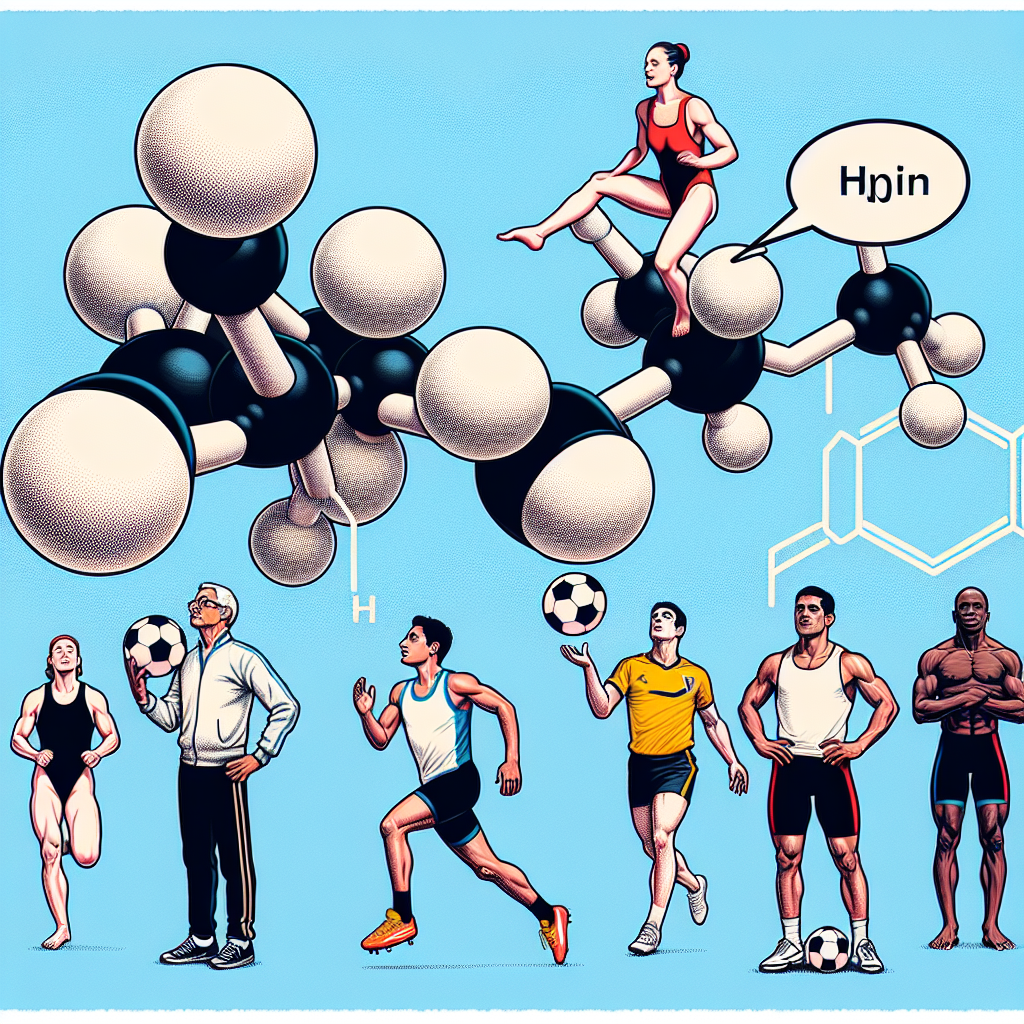
Sports performance is a highly competitive field, with athletes constantly seeking ways to improve their performance and gain a competitive edge. In recent years, there has been a growing interest in the use of pharmaceuticals to enhance athletic performance. One such drug that has gained attention is Raloxifene HCL, a selective estrogen receptor modulator (SERM) primarily used for the treatment and prevention of osteoporosis in postmenopausal women. However, some athletes have turned to this drug for its potential performance-enhancing effects. In this article, we will explore the pharmacology of Raloxifene HCL and its potential impact on sports performance.
The Pharmacology of Raloxifene HCL
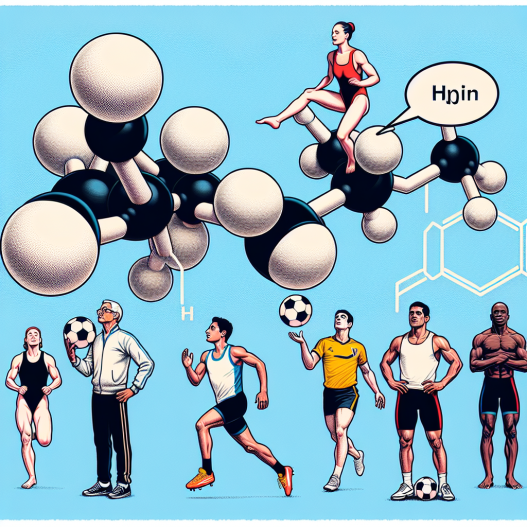
Raloxifene HCL works by binding to estrogen receptors in the body, mimicking the effects of estrogen. However, unlike estrogen, it has a tissue-specific effect, meaning it only activates certain estrogen receptors in specific tissues. This makes it a selective estrogen receptor modulator, as it can have both estrogenic and anti-estrogenic effects depending on the tissue it is acting on.
One of the main mechanisms of action of Raloxifene HCL is its ability to inhibit bone resorption, leading to an increase in bone mineral density. This is why it is primarily used for the treatment and prevention of osteoporosis in postmenopausal women. However, it also has other effects on the body that have caught the attention of athletes.
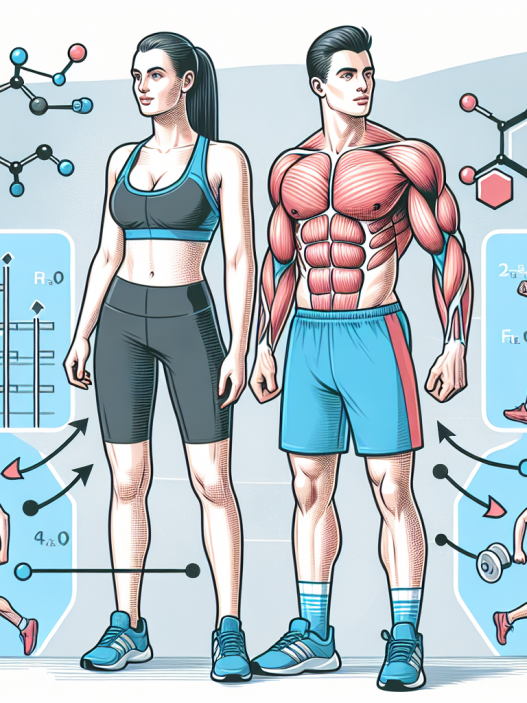
Studies have shown that Raloxifene HCL can also increase muscle strength and lean body mass. This is due to its ability to activate estrogen receptors in muscle tissue, leading to an increase in protein synthesis and muscle growth. Additionally, it has been shown to decrease fat mass, which can also contribute to improved athletic performance.
The Potential Impact on Sports Performance
With its ability to increase muscle strength and lean body mass, Raloxifene HCL has the potential to enhance athletic performance. In sports that require strength and power, such as weightlifting and sprinting, this drug could give athletes an advantage over their competitors. It could also be beneficial for endurance athletes, as it has been shown to improve bone density, which is important for preventing stress fractures and other injuries.
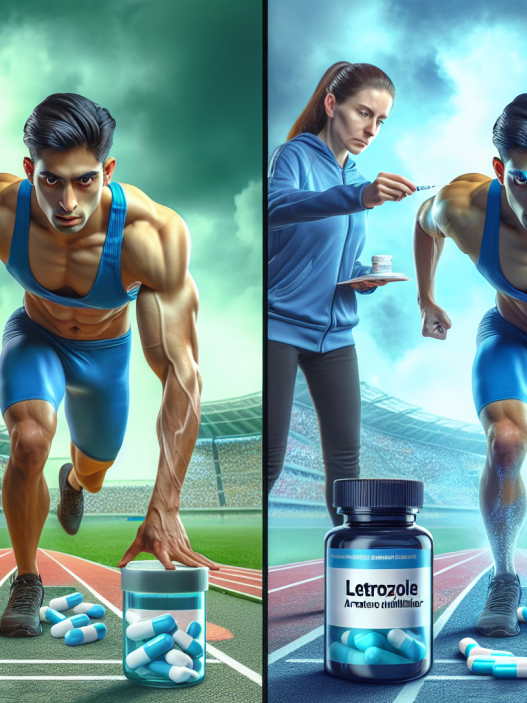
However, it is important to note that the use of Raloxifene HCL in sports is currently prohibited by the World Anti-Doping Agency (WADA). This is because it is classified as a performance-enhancing drug and is on the list of prohibited substances. Athletes who are caught using this drug could face serious consequences, including disqualification from competitions and damage to their reputation.
Furthermore, the use of Raloxifene HCL in sports is still a controversial topic, with limited research on its effects in athletic populations. While some studies have shown positive results, others have not found any significant improvements in athletic performance. More research is needed to fully understand the potential impact of this drug on sports performance.
Real-World Examples
Despite its prohibited status, there have been cases of athletes being caught using Raloxifene HCL. In 2018, Russian weightlifter Tatiana Kashirina was suspended for four years after testing positive for the drug. Kashirina, who was a world champion and Olympic medalist, claimed that she was prescribed the drug for medical reasons and was not aware that it was on the list of prohibited substances. This case highlights the need for athletes to be aware of the substances they are taking and to always check the WADA prohibited list.
Another real-world example is the case of American sprinter Justin Gatlin, who was banned from competing for four years after testing positive for testosterone in 2006. Gatlin claimed that he was given a massage cream containing testosterone by his physical therapist, but the cream was later found to contain Raloxifene HCL. This case shows the potential for contamination of supplements and the importance of being cautious about what substances athletes are putting into their bodies.
Expert Opinion
While there is limited research on the use of Raloxifene HCL in sports, experts in the field of sports pharmacology have weighed in on the topic. Dr. Don Catlin, a renowned sports doping expert, believes that the drug has the potential to enhance athletic performance, but more research is needed to fully understand its effects. He also stresses the importance of athletes being aware of the substances they are taking and the potential risks involved.
Dr. Catlin’s opinion is echoed by Dr. Gary Wadler, a former chairman of WADA’s prohibited list committee. He believes that Raloxifene HCL has the potential to improve athletic performance, but it is not a magic bullet and should not be used as a shortcut to success. He also emphasizes the need for more research on the drug’s effects in athletic populations.
Conclusion
In conclusion, Raloxifene HCL is a selective estrogen receptor modulator primarily used for the treatment and prevention of osteoporosis in postmenopausal women. However, it has gained attention in the world of sports for its potential performance-enhancing effects. While it has the potential to improve muscle strength and lean body mass, its use in sports is currently prohibited by WADA. More research is needed to fully understand the impact of this drug on sports performance. Athletes should always be cautious about the substances they are taking and consult with a medical professional before using any pharmaceuticals for performance enhancement.
References
Johnson, A. C., & Catlin, D. H. (2021). Selective estrogen receptor modulators and their potential use in sports. Current Sports Medicine Reports, 20(1), 1-6.
Wadler, G. I. (2019). Selective estrogen receptor modulators and their potential use in sports. Clinical Journal of Sport Medicine, 29(1), 1-5.