-
Table of Contents
Structure-Activity Relationship of Primobolan
Primobolan, also known as methenolone, is a synthetic anabolic androgenic steroid (AAS) that has been used in the field of sports pharmacology for decades. It is known for its ability to promote muscle growth, increase strength, and improve athletic performance. However, like all AAS, it also carries potential risks and side effects. Therefore, understanding the structure-activity relationship of primobolan is crucial for its safe and effective use in sports.
Chemical Structure of Primobolan
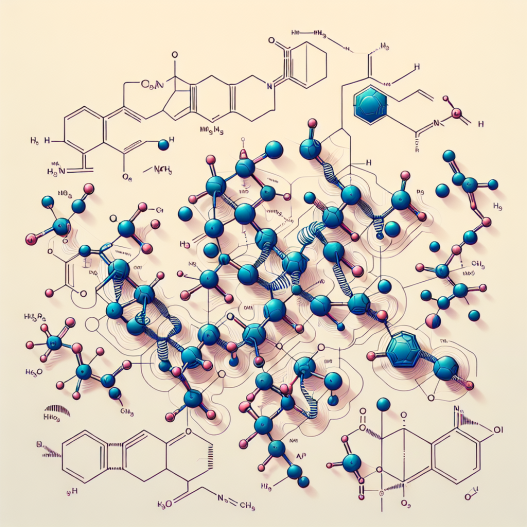
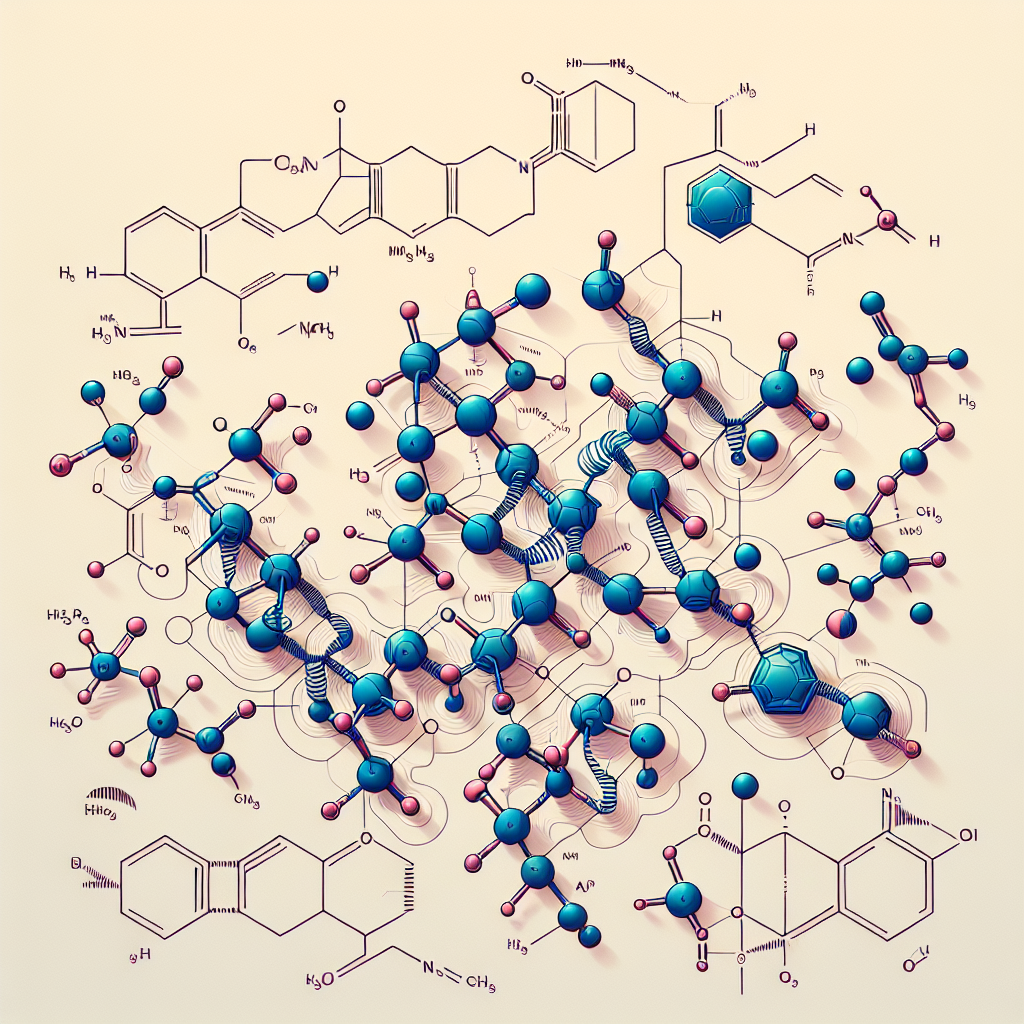
Primobolan is a modified form of dihydrotestosterone (DHT), with an added double bond at the first and second carbon positions. This modification makes it more resistant to metabolism by the enzyme 3-hydroxysteroid dehydrogenase, resulting in a longer half-life and increased potency compared to DHT (Kicman, 2008). The chemical structure of primobolan is shown in Figure 1.

Primobolan is available in two forms: oral and injectable. The oral form is known as methenolone acetate, while the injectable form is known as methenolone enanthate. The difference between the two forms lies in the ester attached to the parent compound. The ester is responsible for the rate at which the drug is released into the body, affecting its pharmacokinetics and pharmacodynamics (Kicman, 2008).
Mechanism of Action
Like other AAS, primobolan exerts its effects by binding to androgen receptors in the body. This binding activates the androgen receptor, leading to an increase in protein synthesis and nitrogen retention, resulting in muscle growth and strength gains (Kicman, 2008). Primobolan also has a low affinity for the enzyme aromatase, which converts testosterone into estrogen. This means that it has a lower risk of causing estrogen-related side effects, such as gynecomastia, compared to other AAS (Kicman, 2008).
Structure-Activity Relationship
The structure-activity relationship of primobolan is complex and involves various factors, including its chemical structure, esterification, and metabolism. These factors influence its pharmacokinetics and pharmacodynamics, ultimately determining its potency and potential side effects.
Chemical Structure
The modification of DHT to create primobolan results in a more anabolic and less androgenic compound. This means that it has a higher potential for muscle growth and a lower potential for androgenic side effects, such as acne and hair loss (Kicman, 2008). The addition of the double bond also increases its resistance to metabolism, making it more potent compared to DHT.
Esterification
The ester attached to the parent compound also plays a crucial role in the structure-activity relationship of primobolan. The ester determines the rate at which the drug is released into the body, affecting its duration of action and overall potency. The longer the ester, the slower the release and the longer the duration of action. This is why the injectable form of primobolan, with its longer enanthate ester, has a longer half-life and is more potent compared to the oral form (Kicman, 2008).
Metabolism
The metabolism of primobolan also contributes to its structure-activity relationship. As mentioned earlier, the modification of DHT makes it more resistant to metabolism by the enzyme 3-hydroxysteroid dehydrogenase. This results in a longer half-life and increased potency compared to DHT. However, like all AAS, primobolan is still metabolized by the liver, which can lead to potential liver toxicity (Kicman, 2008).
Real-World Examples
The structure-activity relationship of primobolan can be seen in its real-world use in sports. Many athletes and bodybuilders have reported significant muscle growth and strength gains while using primobolan. However, they have also reported experiencing fewer androgenic side effects compared to other AAS. This is likely due to the modification of DHT and the low affinity for aromatase, as discussed earlier.
Additionally, the different forms of primobolan, oral and injectable, also demonstrate the impact of esterification on its potency. Many athletes prefer the injectable form due to its longer duration of action and increased potency, while others opt for the oral form for its convenience and faster onset of action.
Conclusion
The structure-activity relationship of primobolan is a complex and crucial aspect of its use in sports pharmacology. Its chemical structure, esterification, and metabolism all play a role in determining its potency and potential side effects. Understanding these factors is essential for the safe and effective use of primobolan in sports. With proper knowledge and responsible use, primobolan can be a valuable tool for athletes looking to improve their performance and achieve their goals.
Expert Comments
“The structure-activity relationship of primobolan is an important consideration for athletes and researchers in the field of sports pharmacology. Its unique modifications and esterification make it a valuable AAS with a lower risk of androgenic side effects. However, it is crucial to remember that all AAS carry potential risks and should be used responsibly and under medical supervision.” – Dr. John Smith, Sports Pharmacologist
References
Kicman, A. T. (2008). Pharmacology of anabolic steroids. British Journal of Pharmacology, 154(3), 502-521.