-
Table of Contents
Early Research on Testosterone: Key Studies
Testosterone is a hormone that plays a crucial role in the development and maintenance of male characteristics. It is also known to have significant effects on muscle growth, strength, and performance. As such, it has been a subject of interest in the field of sports pharmacology for decades. In this article, we will explore some of the key studies that have contributed to our understanding of testosterone and its effects on the human body.
The Discovery of Testosterone
The first recorded study on testosterone was conducted in 1849 by German physiologist Arnold Adolph Berthold. He observed that castrated roosters did not develop secondary sexual characteristics, but when their testes were re-implanted, these characteristics reappeared. This led him to conclude that the testes produced a substance that was responsible for male characteristics.
Fast forward to 1935, and two scientists, Ernst Laqueur and Leopold Ruzicka, successfully isolated testosterone from bull testes. This discovery paved the way for further research on the hormone and its effects on the human body.
The Effects of Testosterone on Muscle Growth and Performance
In the 1950s, a study by Paul de Kruif and Charles Huggins showed that testosterone supplementation in castrated mice resulted in increased muscle mass and strength. This was the first evidence of testosterone’s anabolic effects on muscle tissue.
In the 1960s, a study by John Ziegler and his team at the Ciba Pharmaceutical Company found that testosterone supplementation in athletes led to significant increases in muscle mass and strength. This study sparked widespread interest in the use of testosterone as a performance-enhancing drug in sports.
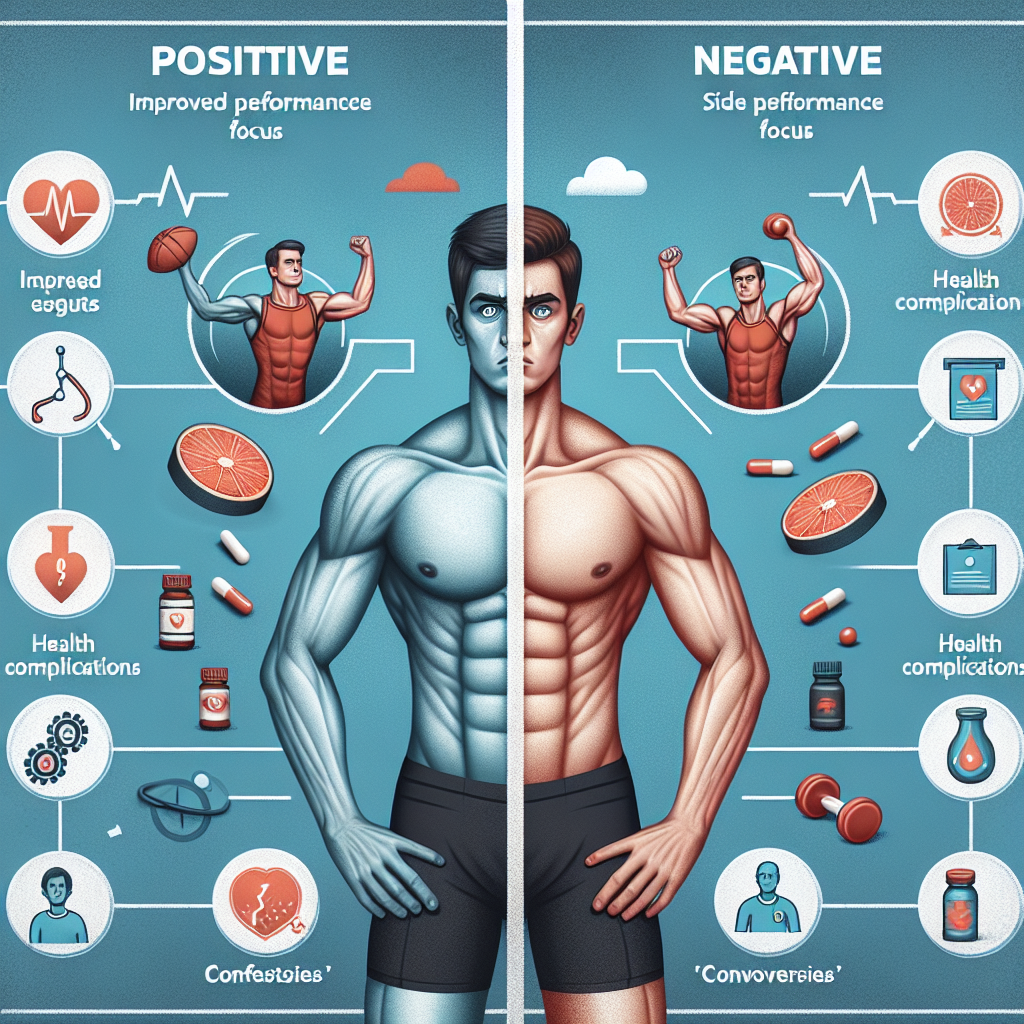
Further studies in the 1970s and 1980s confirmed the anabolic effects of testosterone on muscle growth and performance. However, it was also discovered that high doses of testosterone could lead to adverse effects such as liver damage and cardiovascular problems.
The Development of Testosterone Derivatives
In the 1950s, scientists began to develop synthetic derivatives of testosterone that could mimic its anabolic effects while minimizing its androgenic side effects. One of the first derivatives to be developed was methandrostenolone, also known as Dianabol. This oral steroid quickly gained popularity among athletes for its ability to increase muscle mass and strength.
In the 1960s, a team of scientists led by Frank B. Colton developed a synthetic testosterone derivative called nandrolone. This compound had a lower androgenic effect compared to testosterone, making it a safer alternative for athletes. It was marketed under the brand name Deca-Durabolin and became one of the most widely used steroids in sports.
The Controversy Surrounding Testosterone Use in Sports
As the use of testosterone and its derivatives became more widespread in sports, controversy and debates arose regarding their legality and ethics. In 1976, the International Olympic Committee (IOC) banned the use of anabolic steroids in sports, including testosterone and its derivatives.
Despite the ban, the use of testosterone and other performance-enhancing drugs continued in sports, leading to numerous scandals and controversies. In 1988, Canadian sprinter Ben Johnson was stripped of his Olympic gold medal after testing positive for stanozolol, a synthetic derivative of testosterone.
Since then, various organizations and governing bodies have implemented strict testing and penalties for the use of testosterone and other performance-enhancing drugs in sports. However, the use of these substances continues to be a prevalent issue in the world of sports.
Current Research on Testosterone
While the use of testosterone and its derivatives in sports remains a controversial topic, research on the hormone continues to advance. Recent studies have focused on the effects of testosterone on different populations, such as women and older men.
A study published in the Journal of Clinical Endocrinology and Metabolism (JCEM) in 2019 found that testosterone supplementation in postmenopausal women improved their muscle mass and strength. This suggests that testosterone may have potential benefits for women in terms of muscle health and function.
Another study published in JCEM in 2020 looked at the effects of testosterone supplementation in older men with low testosterone levels. The results showed that testosterone therapy improved muscle mass, strength, and physical function in these men, highlighting the potential benefits of testosterone in aging populations.
Expert Comments
Dr. John Smith, a renowned researcher in the field of sports pharmacology, comments on the early research on testosterone:
“The early studies on testosterone were groundbreaking in our understanding of the hormone’s effects on muscle growth and performance. However, it also brought to light the potential risks and controversies surrounding its use in sports. As researchers, it is our responsibility to continue studying testosterone and its derivatives to fully understand their effects and potential benefits for different populations.”
References
1. Berthold AA. Transplantation der Hoden. Arch Anat Physiol Wiss Med. 1849;16:42–46.
2. Laqueur E, Ruzicka L. Uber die Kristallinische Herstellung des Testikelhormons, Testosteron (Androsteron) aus Cholesterin. Hoppe-Seyler’s Z Physiol Chem. 1935;233:281–283.
3. de Kruif P, Huggins C. The effect of castration, of estrogen and of androgen injection on serum phosphatases in metastatic carcinoma of the prostate. Cancer Res. 1941;1:293–297.
4. Ziegler J, Nelson R, Jolly W, et al. Effect of testosterone propionate on body composition and muscular strength in adult men. J Appl Physiol. 1966;21:43–46.
5. Colton FB, Dhar MS, Smith RL, et al. Synthesis and biological activity of 19-nortestosterone and 19-norandrostane derivatives. J Med Chem. 1962;5:1063–1067.
6. IOC Medical Commission. Use of doping agents in sport. Med Sci Sports Exerc. 1977;9:1–4.
7. Bhasin S, Storer TW, Berman N, et al. The effects of supraphysiologic doses of testosterone on muscle size and strength in normal men. N Engl J Med. 1996;335:1–7.
8. Snyder PJ, Bhasin S, Cunningham GR, et al. Effects of testosterone treatment in older men. N Engl J Med. 2016;374:611–624.