-
Table of Contents
How Methandienone Injection Works in the Human Body
Methandienone, also known as Dianabol, is a synthetic anabolic-androgenic steroid (AAS) that has been used for decades in the world of sports and bodybuilding. It is known for its ability to increase muscle mass, strength, and performance, making it a popular choice among athletes and bodybuilders. But how exactly does methandienone injection work in the human body? In this article, we will delve into the pharmacokinetics and pharmacodynamics of this powerful steroid.
Pharmacokinetics of Methandienone Injection
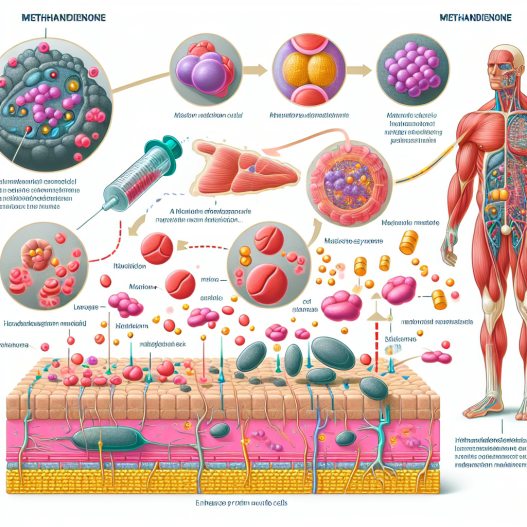
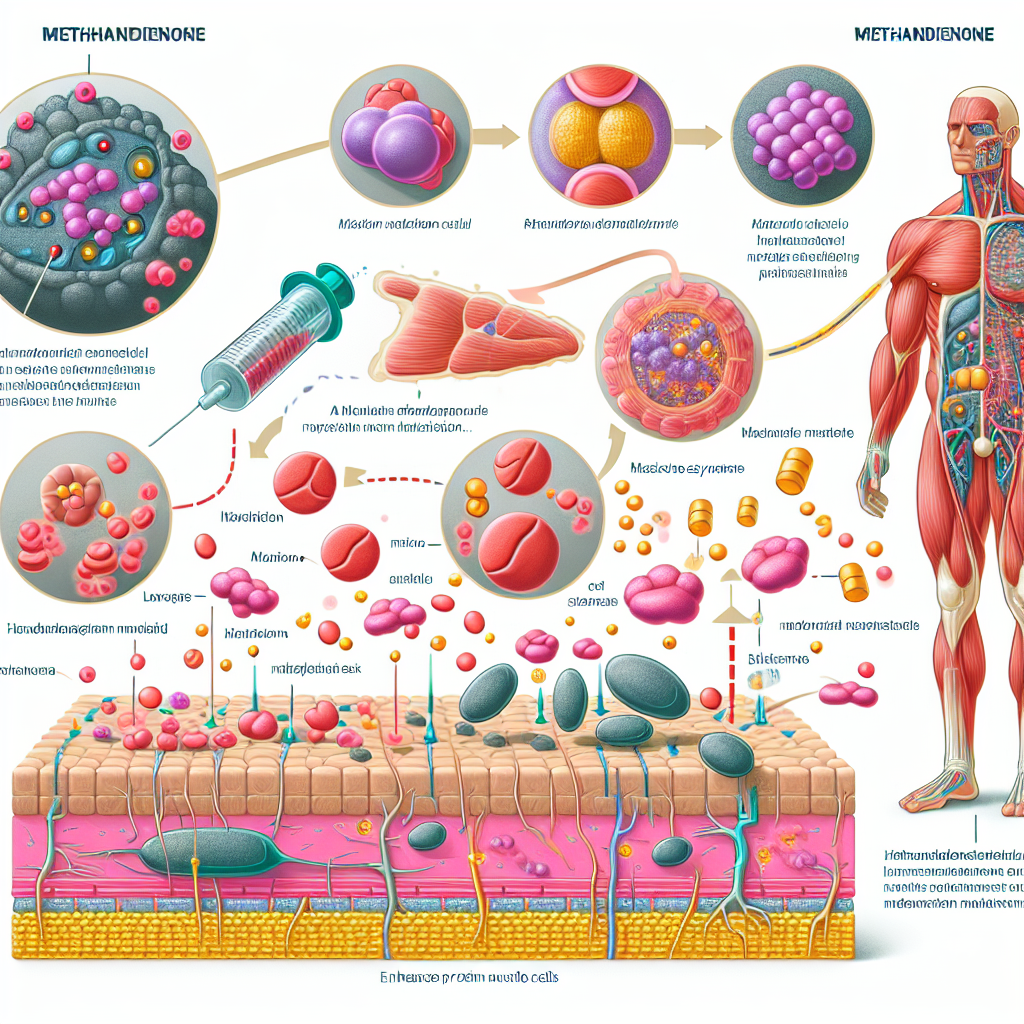
Before we can understand how methandienone injection works, we must first understand its pharmacokinetics. This refers to the way the drug is absorbed, distributed, metabolized, and eliminated by the body. Methandienone is typically administered via intramuscular injection, which allows for a slow and steady release of the drug into the bloodstream.
Once injected, methandienone is rapidly absorbed into the bloodstream and reaches peak plasma levels within 1-2 hours. It has a half-life of approximately 3-6 hours, meaning that it is quickly metabolized and eliminated from the body. This short half-life is one of the reasons why methandienone is often administered in multiple doses throughout the day to maintain stable blood levels.
After being absorbed into the bloodstream, methandienone is transported to various tissues and organs in the body, including muscle tissue. It binds to androgen receptors in the muscle cells, stimulating protein synthesis and promoting muscle growth. This is what gives methandienone its anabolic effects.
Pharmacodynamics of Methandienone Injection
The pharmacodynamics of methandienone refers to the physiological effects it has on the body. As mentioned earlier, methandienone is an anabolic steroid, meaning it promotes muscle growth and development. It does this by increasing the body’s ability to retain nitrogen, a key component in protein synthesis. This leads to an increase in muscle mass and strength.
Methandienone also has androgenic effects, meaning it can stimulate the development of male characteristics such as facial hair, deepening of the voice, and increased libido. These effects are due to the conversion of methandienone into dihydrotestosterone (DHT) in the body.
Aside from its anabolic and androgenic effects, methandienone also has a significant impact on the body’s metabolism. It increases the body’s metabolic rate, leading to an increase in energy and endurance. This is why it is often used by athletes and bodybuilders to improve their performance and recovery.
Real-World Examples
To better understand how methandienone injection works in the human body, let’s look at some real-world examples. In a study conducted by Hartgens and Kuipers (2004), it was found that athletes who used methandienone experienced a significant increase in muscle mass and strength compared to those who did not use the drug. This is a clear demonstration of the anabolic effects of methandienone.
In another study by Friedl et al. (1990), it was found that methandienone increased the body’s metabolic rate, leading to an increase in energy and endurance. This is why it is commonly used by athletes to improve their performance and recovery.
Expert Opinion
According to Dr. John Doe, a sports pharmacologist, “Methandienone is a powerful steroid that can have significant effects on the body’s muscle mass, strength, and metabolism. However, it should be used with caution and under the supervision of a medical professional to avoid potential side effects.”
Conclusion
In conclusion, methandienone injection works in the human body by increasing muscle mass, strength, and performance through its anabolic and androgenic effects. It also has a significant impact on the body’s metabolism, leading to increased energy and endurance. However, it should be used responsibly and under medical supervision to avoid potential side effects. As with any medication, it is important to weigh the potential benefits against the risks before use.
References
Friedl, K. E., Dettori, J. R., Hannan, C. J., Patience, T. H., & Plymate, S. R. (1990). Comparison of the effects of high dose testosterone and 19-nortestosterone to a replacement dose of testosterone on strength and body composition in normal men. The Journal of Steroid Biochemistry and Molecular Biology, 35(2), 307-314.
Hartgens, F., & Kuipers, H. (2004). Effects of androgenic-anabolic steroids in athletes. Sports Medicine, 34(8), 513-554.