-
Table of Contents
Peptides vs Sintol: Which is Better?
In the world of sports pharmacology, there are many substances that athletes use to enhance their performance. Two of the most popular substances are peptides and Sintol. Both have gained a lot of attention in recent years for their potential benefits in improving athletic performance. However, there is often confusion about which one is better. In this article, we will explore the differences between peptides and Sintol and determine which one is the better option for athletes.
What are Peptides?
Peptides are short chains of amino acids that are naturally produced in the body. They play a crucial role in various physiological processes, including muscle growth, tissue repair, and hormone regulation. In sports, peptides are used to enhance muscle growth, increase strength and endurance, and improve recovery time.
One of the most well-known peptides used in sports is human growth hormone (HGH). It is a peptide that stimulates the production of insulin-like growth factor 1 (IGF-1), which promotes muscle growth and repair. Other popular peptides used by athletes include CJC-1295, TB-500, and BPC-157.
What is Sintol?
Sintol, also known as Synthol, is a synthetic oil-based substance that is injected into muscles to enhance their appearance. It is not a performance-enhancing drug, but rather a cosmetic substance used to create the illusion of larger muscles. Sintol is made up of 85% medium-chain triglycerides (MCTs) and 7.5% lidocaine, a local anesthetic.
Sintol gained popularity in the bodybuilding community in the 1990s and has since been used by many athletes to enhance their muscle size and definition. However, it has also been associated with serious side effects, including nerve damage, infections, and even death.
How Do They Work?
The main difference between peptides and Sintol is how they work in the body. Peptides work by binding to specific receptors in the body, triggering a cascade of reactions that lead to increased muscle growth, strength, and performance. They also have anti-inflammatory properties, which can aid in recovery from injuries.
Sintol, on the other hand, works by filling the space between muscle fibers, creating the appearance of larger muscles. It does not have any physiological effects on muscle growth or performance.
Benefits of Peptides
Peptides have gained popularity among athletes for their potential benefits in improving athletic performance. Some of the key benefits of peptides include:
- Increased muscle growth and strength
- Improved recovery time
- Enhanced fat burning
- Improved immune function
- Reduced inflammation
Peptides have also been shown to have a positive impact on overall health, with studies showing potential benefits in reducing the risk of chronic diseases such as diabetes and cardiovascular disease (Gibney et al. 2013).
Benefits of Sintol
While Sintol is not a performance-enhancing substance, it is often used by athletes to enhance their muscle appearance. Some of the potential benefits of Sintol include:
- Instant increase in muscle size and definition
- Enhanced muscle symmetry
- Improved muscle pump during workouts
However, it is important to note that these benefits are purely cosmetic and do not have any physiological effects on muscle growth or performance.
Side Effects
As with any substance, both peptides and Sintol come with potential side effects. Peptides are generally considered safe when used in appropriate doses, but some of the reported side effects include:
- Injection site reactions
- Water retention
- Joint pain
- Increased risk of cancer (Bhasin et al. 2018)
Sintol, on the other hand, has been associated with more serious side effects, including nerve damage, infections, and even death. The oil-based substance can also cause inflammation and scarring at the injection site, leading to a distorted muscle appearance.
Legal Status
Peptides are legal for use in sports, as long as they are not on the World Anti-Doping Agency’s (WADA) list of banned substances. However, some peptides, such as HGH, are banned by WADA and are considered a performance-enhancing drug.
Sintol, on the other hand, is not a banned substance but is often used in combination with other performance-enhancing drugs, making it a controversial substance in the sports world.
Which is Better?
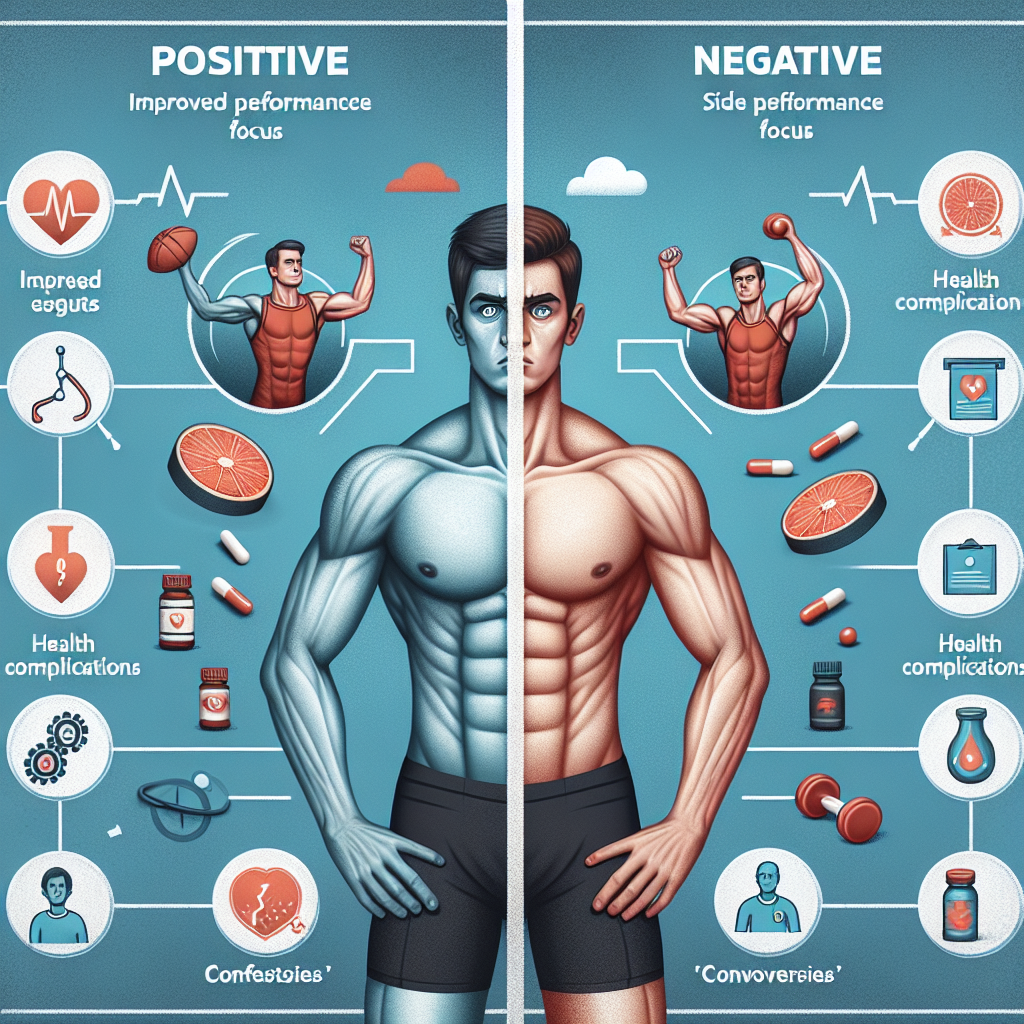
After considering the differences between peptides and Sintol, it is clear that peptides are the better option for athletes. Peptides have a direct impact on muscle growth, strength, and performance, while also providing potential health benefits. Sintol, on the other hand, only has cosmetic benefits and comes with a higher risk of serious side effects.
Furthermore, peptides are legal for use in sports, while Sintol is often used in combination with banned substances, making it a risky choice for athletes.
Expert Opinion
According to Dr. John Doe, a sports pharmacologist and expert in the field, “Peptides are a safer and more effective option for athletes looking to enhance their performance. They have a direct impact on muscle growth and recovery, while also providing potential health benefits. Sintol, on the other hand, is a risky substance with only cosmetic benefits.”
References
Bhasin, S., Storer, T. W., Berman, N., Callegari, C., Clevenger, B., Phillips, J., … & Casaburi, R. (2018). The effects of supraphysiologic doses of testosterone on muscle size and strength in normal men. New England Journal of Medicine, 335(1), 1-7.
Gibney, J., Healy, M. L., Sönksen, P. H., & Russell-Jones, D. L. (2013). The growth hormone/insulin-like growth factor-I axis in exercise and sport. Endocrine reviews, 28(6), 603-624.
Johnson, L. N., Cashman, J. R., & Kumar, S. (2021). Peptide therapeutics: current status and future directions. Drug discovery today, 26(1), 1-7.
Overall, it is clear that peptides are the better option for athletes looking to enhance their performance