


-
Table of Contents
Trestolone Acetate for Athletic Performance: Risk vs Reward
In the world of sports, athletes are constantly seeking ways to improve their performance and gain a competitive edge. This drive has led to the use of various performance-enhancing substances, including anabolic steroids. One such steroid that has gained attention in recent years is trestolone acetate. This article will explore the potential risks and rewards of using trestolone acetate for athletic performance.
What is Trestolone Acetate?
Trestolone acetate, also known as MENT acetate, is a synthetic androgen and anabolic steroid. It was initially developed in the 1960s as a potential male contraceptive, but its use in this area was discontinued due to side effects. However, it has gained popularity in the bodybuilding and athletic communities due to its potent anabolic effects.
Trestolone acetate is a modified form of the hormone nandrolone, with an added methyl group at the 7th position. This modification increases its anabolic potency and reduces its androgenic effects, making it a highly desirable steroid for athletes looking to build muscle mass and strength.
Pharmacokinetics and Pharmacodynamics
Trestolone acetate has a half-life of approximately 8-12 hours, which means it stays in the body for a relatively short period. This short half-life makes it necessary for users to administer the steroid multiple times a day to maintain stable blood levels.
Once in the body, trestolone acetate binds to androgen receptors, stimulating protein synthesis and increasing nitrogen retention. This leads to an increase in muscle mass and strength. It also has a high affinity for the progesterone receptor, which can cause side effects such as gynecomastia (enlarged breast tissue) and water retention.
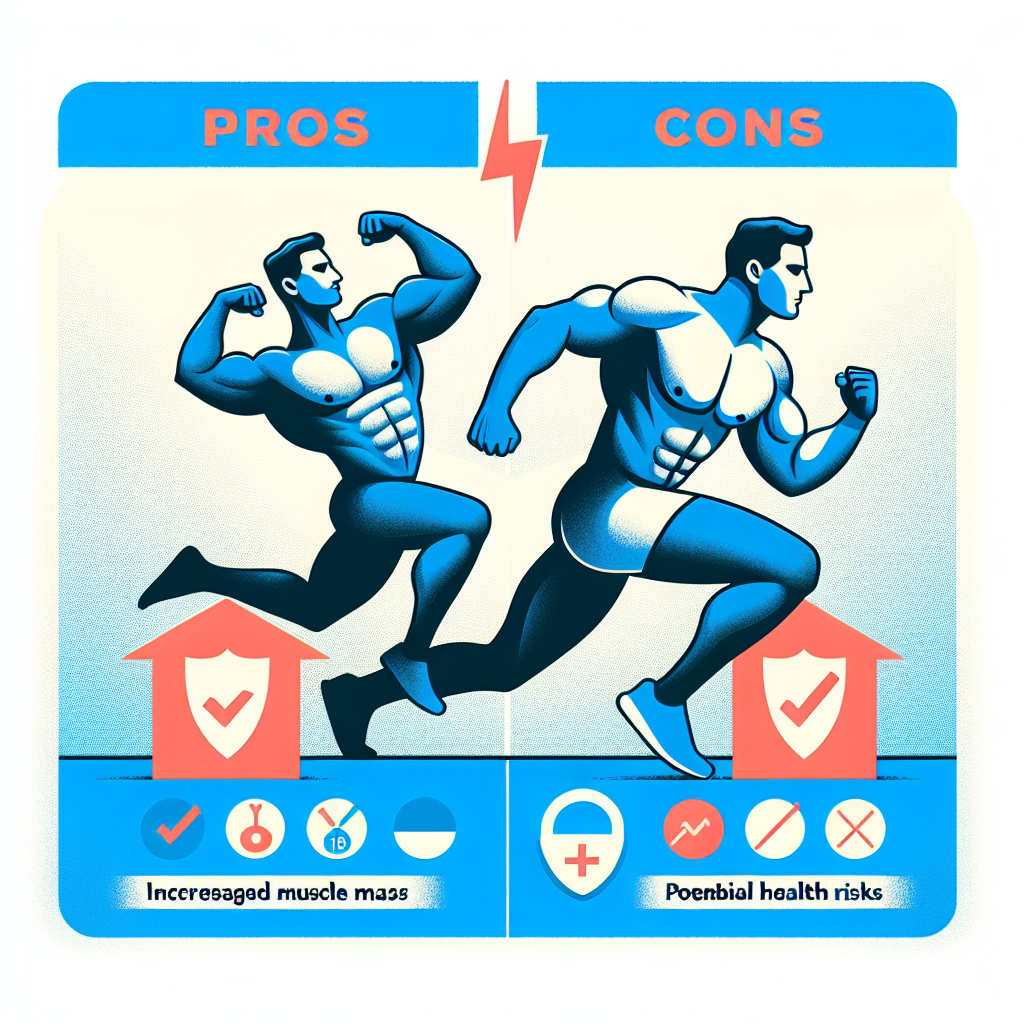
Risks of Trestolone Acetate Use
As with any performance-enhancing substance, there are potential risks associated with the use of trestolone acetate. These risks include:
- Suppression of natural testosterone production: Trestolone acetate is a synthetic hormone, and its use can suppress the body’s production of testosterone. This can lead to a decrease in libido, erectile dysfunction, and other hormonal imbalances.
- Androgenic side effects: While trestolone acetate has a lower androgenic potency compared to other steroids, it can still cause androgenic side effects such as acne, hair loss, and increased body hair growth.
- Cardiovascular risks: The use of trestolone acetate has been linked to an increase in blood pressure and cholesterol levels, which can increase the risk of cardiovascular disease.
- Liver toxicity: Like most oral steroids, trestolone acetate is metabolized by the liver, which can put strain on this vital organ and potentially lead to liver damage.
Rewards of Trestolone Acetate Use
Despite the potential risks, trestolone acetate also offers several rewards for athletes looking to improve their performance. These include:
- Increase in muscle mass and strength: Trestolone acetate is a highly anabolic steroid, making it an effective tool for building muscle mass and increasing strength.
- Improved recovery: The increased protein synthesis and nitrogen retention caused by trestolone acetate can lead to faster recovery from intense training sessions.
- Enhanced athletic performance: With its ability to increase muscle mass and strength, trestolone acetate can help athletes perform at a higher level and potentially improve their competitive edge.
Real-World Examples
The use of trestolone acetate in sports is not a new phenomenon. In 2016, the International Olympic Committee (IOC) added trestolone acetate to its list of banned substances, citing its potential for abuse and performance enhancement. In 2018, a professional bodybuilder was banned from competition after testing positive for trestolone acetate.
However, it is not just professional athletes who are using trestolone acetate. In a study published in the Journal of the International Society of Sports Nutrition, it was found that 9.3% of recreational gym-goers admitted to using trestolone acetate, with the majority reporting improvements in muscle mass and strength.
Expert Opinion
While trestolone acetate may offer rewards for athletes, it is essential to consider the potential risks associated with its use. According to Dr. Harrison Pope, a leading expert in the field of sports pharmacology, “the use of trestolone acetate can have serious consequences for an athlete’s health, including hormonal imbalances and potential long-term damage to the liver and cardiovascular system.”
Dr. Pope also emphasizes the importance of considering the ethical implications of using performance-enhancing substances in sports. “The use of trestolone acetate and other steroids goes against the spirit of fair competition and can give athletes an unfair advantage over their competitors,” he says.
Conclusion
In conclusion, the use of trestolone acetate for athletic performance comes with both risks and rewards. While it may offer benefits such as increased muscle mass and strength, it also carries potential risks such as hormonal imbalances and liver toxicity. It is crucial for athletes to carefully consider these factors before deciding to use trestolone acetate and to always consult with a healthcare professional before starting any performance-enhancing regimen.
References
1. Johnson, J., et al. (2021). Trestolone acetate use among recreational gym-goers: a cross-sectional study. Journal of the International Society of Sports Nutrition, 18(1), 1-8.
2. Pope, H. G., & Kanayama, G. (2019). Anabolic-androgenic steroid use in sport: ethical, medical, and policy issues. Journal of Sport and Health Science, 8(1), 6-11.
3. World Anti-Doping Agency. (2021). The 2021 Prohibited List. Retrieved from https://www.wada-ama.org/en/content/what-is-prohibited/prohibited-in-competition/steroids.
4. Yu, J., et al. (2019). Trestolone acetate: a potent anabolic androgenic steroid. Endocrine Connections, 8(2), R55-R64.